Before You Buy Used: The Shutter Count, Sensor Check, and Marketplace Math That Save You Hundreds
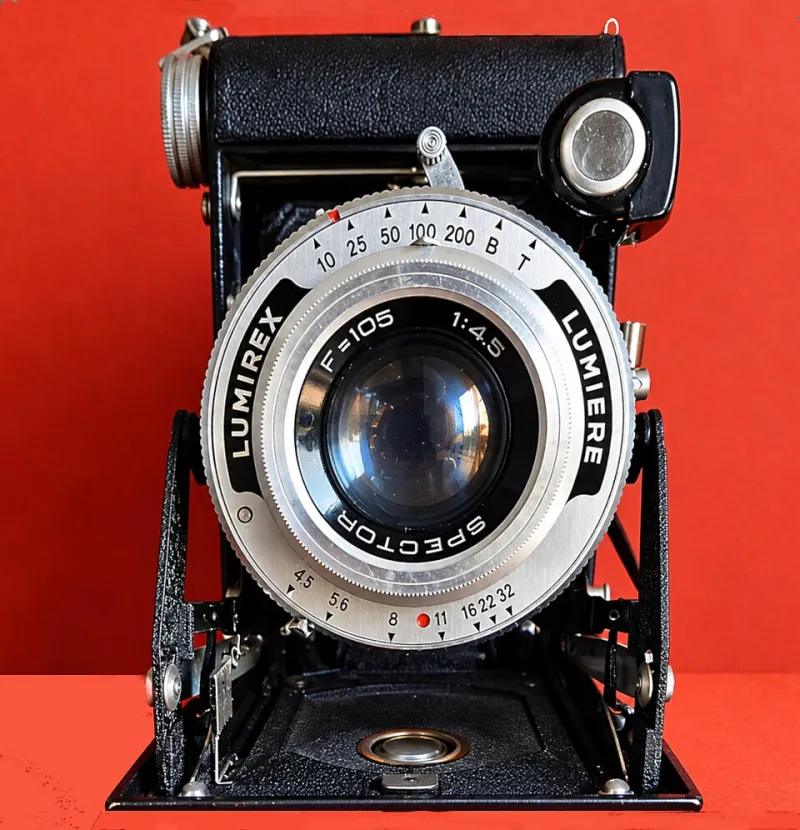
Photo: Pierre André Leclercq, CC BY 4.0, via Wikimedia Commons
There's a moment every budget-conscious photographer eventually has: you're scrolling listings at midnight, looking at a two-year-old body that cost $2,400 new and is now sitting there for $1,100, and you think — is this a steal or a trap?
Usually, it's a steal. But only if you know how to shop. The used camera market rewards people who do a little homework and punishes everyone else. So let's do the homework together.
Why Used Makes More Sense Right Now Than Ever
Camera depreciation is brutal, and that's great news for buyers. Mirrorless bodies in particular lose value fast because manufacturers refresh lines every two to three years, and the marketing machine convinces everyone that last year's model is suddenly obsolete. It isn't. A three-generation-old sensor is often still better than what most people need, and glass — well, good glass barely depreciates at all.
The result? Models like the Sony a7 III, Canon EOS R6, and Fujifilm X-T4 have settled into a sweet spot where they perform like modern cameras at half their original sticker price. If you're patient, the used market is the single best value in photography, full stop.
Shutter Count: The Odometer You Can Actually Check
Every camera has a rated shutter life. Entry-level bodies might be rated for 100,000 actuations; pro bodies for 400,000 or more. Think of shutter count like mileage on a used car — it's not the whole story, but it tells you a lot.
Here's the practical math: a body rated for 200,000 actuations with 30,000 on the clock is barely broken in. The same body at 160,000 is approaching the end of its rated life, which means either a discounted price or a repair bill in your future. Neither is automatically a dealbreaker, but you should know which one you're buying.
How do you check? On many cameras, a photo's EXIF data includes the shutter count. On others, you'll need a free tool or the manufacturer's service menu. Sellers on reputable platforms usually list it — if a seller won't tell you the shutter count, that's your answer right there.
One caveat: electronic shutters and video recording often don't increment the mechanical shutter counter, so a "low count" camera that's been used heavily for video may have lived a fuller life than the number suggests.
Sensor Condition: The Red Flags That Actually Matter
Dust on a sensor is annoying but fixable — a $15 cleaning kit or a $60 professional cleaning solves it. What you're really screening for is damage:
- Oil splatter or lubricant on the sensor — common on some older mirrorless shutters, and it shows up as smudges that won't wipe off. Test by shooting a plain blue sky at f/16 and inspecting the file.
- Scratches on the sensor or filter stack — these are permanent and expensive. Ask for a bright, evenly lit photo of the sensor itself.
- Hot pixels and stuck pixels — a few are normal and often map out automatically; clusters are a sign of heavy use or heat stress.
Any reputable seller will shoot a test image for you or accept a return. If they won't, walk away. There are a thousand more cameras.
The Marketplace Math: MPB vs. KEH vs. eBay
This is where a lot of US buyers leave money on the table, because they default to eBay when the dedicated resellers are often the better deal.
eBay is the wild west — occasionally the cheapest option, especially on auctions, but you're rolling the dice on condition descriptions and relying on eBay's buyer protection when things go sideways. Great for finding rare lenses; risky for bodies.
KEH is famous for grading conservatively. Their "Bargain" tier often looks better than other sellers' "Excellent," which means you can routinely get gear a grade above what you paid for. Their return window is generous, and their in-house repairs mean problem units usually get fixed before resale.
MPB tends to have sharper pricing on in-demand bodies, transparent grading with real photos of the actual item, and a six-month warranty. If you want to know exactly what you're getting, MPB's listings are the most honest in the business.
The strategy many of us land on: check all three, plus B&H and Adorama used departments, and compare the same grade across platforms. Prices swing by 10–20% depending on what's in stock. And don't forget that buying from a reseller with a warranty often beats saving $50 on an eBay gamble.
Your Screenshot-Before-You-Buy Checklist
Save this. Seriously — pull it up on your phone while you're negotiating.
The seller:
- Shutter count disclosed, with a number reasonable for the price
- Return policy of at least 14 days
- Actual photos of the item, not stock images
- For MPB/KEH: grade matches the photos
The body:
- Sensor photo or test shot at f/16 against a blue sky — no smudges, scratches, or blob clusters
- All buttons, dials, and ports tested (ask for a video of it happening)
- Battery door, card door, and mount free of cracks and excessive wear
- Firmware version noted — some older bodies need updates for modern lenses
The fine print:
- Charger, battery, and straps included? (Doesn't matter much, but it's leverage.)
- No "as-is" listings unless the price reflects real risk
- Payment via a method with buyer protection — never Venmo or Zelle a stranger
The Bottom Line
The used market isn't a compromise anymore — for a lot of photographers, it's the smart default. A $1,100 used body that was flagship-tier two years ago will outshoot a $1,100 new entry-level camera in every way that matters. Do the shutter-count math, demand sensor proof, shop the resellers before you touch eBay, and screenshot that checklist. Your wallet and your portfolio will both thank you.